Morning Glory Cannabis: Consumer Information, Health Considerations, and Frequently Asked Questions
Morning Glory is a name that consumers may come across while researching cannabis products and nar cannabis-related topics. As public interest in cannabis continues to grow, many individuals seek trustworthy information about product categories, consumption methods, health considerations, and current scientific research. Understanding these topics can help consumers make informed decisions and better evaluate information they encounter online.
Cannabis products are available in many forms and can vary significantly in composition, manufacturing standards, and intended use. Whether someone is researching cannabis for educational purposes or simply seeking reliable information, it is important to rely on balanced and evidence-based resources. nar cannabis
Understanding Cannabis Products
Cannabis products are available in several formats, including:
- Dried flower
- Oils and tinctures
- Edibles
- Capsules
- Concentrates
- Topicals
- Vaping products
Each category differs in how it is consumed, how quickly effects may be felt, and what safety considerations may apply. Product quality can also vary depending on cultivation methods, manufacturing practices, testing procedures, and regulatory requirements.
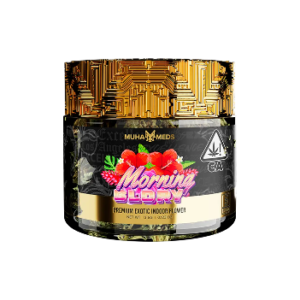
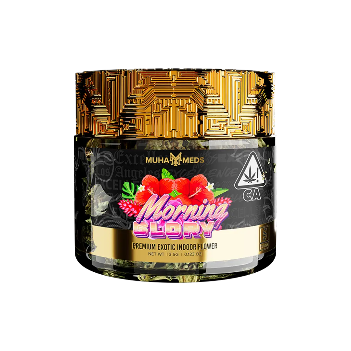
Consumers often research products like Morning Glory to better understand product characteristics, ingredients, quality standards, and responsible-use considerations.
Why Consumers Research Cannabis
People commonly seek information about cannabis products for a variety of reasons:
Product Education
Many individuals want to understand how cannabis products are made and what ingredients they contain.
Safety Awareness
Consumers frequently research potential risks and responsible-use practices before considering any cannabis-related product.
Comparing Product Categories
People often compare different cannabis formats to understand their characteristics and differences.
Legal Requirements
Cannabis laws vary significantly across countries, states, provinces, and municipalities.
Quality and Transparency
Consumers increasingly seek information regarding product testing, ingredient disclosures, and manufacturing standards.
Potential Advantages Commonly Associated With Vaping
Some adult consumers report certain reasons for choosing vaping products instead of traditional smoking methods. These experiences are subjective and may differ considerably among individuals.
Convenience
Many vaping devices are designed to be portable and easy to use.
Ease of Storage
Compact device designs make storage and transportation convenient.
Variety of Options
Consumers may encounter a broad range of device types and formulations.
Reduced Lingering Odor
Compared with smoking, vaping products are often reported to produce less persistent odor.
User-Friendly Design
Many modern devices feature straightforward operation and simple controls.
Potential Disadvantages and Health Risks of Vaping
Researchers and public health organizations continue to study the potential health implications associated with vaping.
Respiratory Irritation
Some users report symptoms such as:
- Dry mouth
- Coughing
- Throat irritation
- Chest discomfort
- Respiratory irritation
Experiences can vary between individuals.
Exposure to Aerosolized Compounds
Vaping products may expose users to heated aerosols and compounds that remain the subject of ongoing scientific investigation.
Potential Dependence
Certain products may contain ingredients that contribute to habitual use or dependence.
Product Quality Concerns
Consumers should be aware of potential issues involving:
- Mislabeling
- Contamination
- Counterfeit products
- Inconsistent ingredient disclosures
Environmental Considerations
Disposable vaping products often contain batteries and electronic components that require proper disposal.
Ongoing Research
Because vaping technologies are relatively recent compared with traditional tobacco products, researchers continue evaluating their long-term health effects.
Frequently Asked Questions
What is cannabis?
Cannabis is a plant that contains naturally occurring compounds known as cannabinoids. Different products may contain varying cannabinoid profiles depending on cultivation and manufacturing methods.
What is the difference between smoking and vaping?
Smoking involves combustion and inhalation of smoke, while vaping generally involves heating a substance to create an aerosol.
Is vaping risk-free?
No. Public health experts generally agree that vaping is not risk-free and that long-term health effects continue to be studied.
Why do some people choose vaping?
Some adults report preferring vaping because of convenience, portability, or reduced lingering odor. Individual experiences vary.
Can vaping affect lung health?
Researchers continue studying how vaping affects respiratory health. Some users report coughing, throat irritation, and breathing discomfort.
Why is product testing important?
Testing may help verify ingredients and identify potential contaminants, supporting consumer awareness and transparency.
Are cannabis laws the same everywhere?
No. Cannabis regulations differ significantly across jurisdictions.
How can consumers stay informed?
Consumers can consult healthcare professionals, public health agencies, government resources, and reputable educational materials.
Consumer Safety Recommendations
Anyone researching cannabis or vaping-related products should consider the following recommendations:
- Review product information carefully.
- Verify authenticity whenever possible.
- Understand local laws and regulations.
- Follow manufacturer instructions.
- Store products securely away from children and pets.
- Stay informed about public health recommendations.
- Seek professional medical advice regarding health concerns.
Conclusion
Morning Glory nar cannabis products are part of a larger and evolving cannabis marketplace that continues to attract public interest. Understanding cannabis products involves more than learning product names or flavor descriptions. It also requires awareness of product quality standards, legal considerations, responsible-use practices, and current scientific research.
By relying on credible educational resources and remaining informed about emerging research, consumers can better understand cannabis-related products and make more informed decisions regarding their use. nar cannabis